
Duration
16 Days
Difficulty
Easy-Moderate
Location
"Annapurna Region"
Max. Altitude
5,320 M
Best Season
Spring (March-May) and Autumn (September-November)
Accommodation
Hotel and lodges / local tea houses
Meals
During Trekking (Breakfast, lunch & dinner)
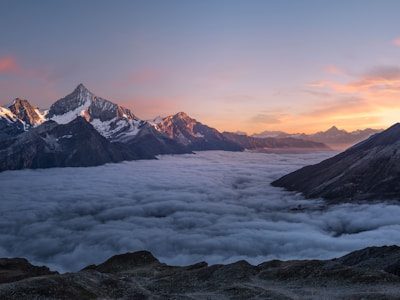
The Nar Phu Valley Trek is one of Nepal’s most remote and culturally fascinating Himalayan journeys, taking trekkers into the hidden valleys north of the Annapurna region near the Tibetan border. This adventure reaches its highest point at Kang La Pass (5,320 m), offering spectacular views of Annapurna II, Gangapurna, Tilicho Peak, and surrounding Himalayan ranges.
The trek passes through dramatic canyons, alpine landscapes, ancient monasteries, and traditional Tibetan-influenced villages such as Phu Gaon and Nar Village, where unique mountain cultures and lifestyles remain beautifully preserved. Starting from Kathmandu, the trek combines the untouched wilderness of the restricted Nar Phu Valley with the scenic Annapurna region. Accommodation is arranged in local teahouses and lodges throughout the journey, while experienced trekking guides ensure safety and provide insights into the local culture and landscapes. The package includes all necessary permits, meals during the trek, porter support, and essential safety arrangements. The itinerary can also be customized according to your schedule, fitness level, and trekking preferences, making it an ideal adventure for trekkers seeking an authentic and less-crowded Himalayan experience.
Upon your arrival at Tribhuvan International Airport, our representative will warmly welcome you and transfer you to your hotel in Kathmandu. After check-in, you will have time to relax and recover from your journey. In the evening, you can stroll around the nearby surroundings, explore the lively local streets, and enjoy the vibrant atmosphere of Kathmandu before the trek begins.
Today, you will enjoy a guided sightseeing tour of Kathmandu’s famous UNESCO World Heritage Sites, including the sacred Swayambhunath Stupa, historic Kathmandu Durbar Square, peaceful Boudhanath Stupa, and the revered Hindu temple Pashupatinath Temple. These cultural landmarks offer a wonderful introduction to Nepal’s history, spirituality, and traditional architecture. After the sightseeing tour, you will return to the hotel for final trek preparation and a detailed trek briefing with your guide regarding the upcoming Nar Phu Valley adventure.
After breakfast, you will begin your journey towards the Annapurna region with a scenic drive from Kathmandu to Dharapani via Besisahar. The drive passes through beautiful river valleys, terraced farmlands, traditional villages, and winding mountain roads alongside the Marsyangdi River. Covering approximately 220 km, the journey takes around 8–9 hours by vehicle. Starting from Kathmandu at 1,400 m and ending at Dharapani at 1,860 m, the day involves an altitude gain of around 460 meters with minor elevation variations along the route.
Leaving Dharapani, the trail gradually ascends through lush forests, small traditional settlements, and river-side paths along the Marsyangdi Valley, offering peaceful natural surroundings and occasional views of snow-capped peaks. You will pass charming villages and suspension bridges before arriving at Koto, the entry point to the restricted Nar Phu Valley region. The trek covers about 13–14 km and takes approximately 5–6 hours. Starting at 1,860 m and ending at 2,600 m, the route includes an altitude gain of around 740 meters.
Today’s journey takes you deeper into the restricted Nar Phu Valley as the trail leaves Koto and gradually enters a more remote and rugged Himalayan landscape. The path climbs steadily through narrow gorges, dense forests, suspension bridges, and isolated terrain, where settlements become fewer and the wilderness more dramatic. After crossing Phu Khola and continuing through peaceful alpine surroundings, you will reach the windswept village of Meta, surrounded by vast mountain scenery. The trek covers approximately 17–18 km and takes around 7–8 hours. Starting from Koto at 2,600 m and ending at Meta at 3,560 m, the day involves an altitude gain of about 960 meters.
Today’s trail continues deeper into the remote Nar Phu Valley, gradually ascending through a dramatic high-altitude landscape of rocky paths, arid hills, and wide open Himalayan views. The route passes through traditional grazing areas, narrow canyons, and isolated terrain where Tibetan-influenced culture becomes more prominent with every step. Along the way, you will cross suspension bridges and follow the Phu Khola river before reaching the ancient stone village of Phu Gaon, surrounded by rugged cliffs and snow-capped peaks. The trek covers approximately 14–15 km and takes around 6–7 hours. Starting from Meta at 3,560 m and ending at Phu Gaon at 4,080 m, the day involves an altitude gain of about 520 meters.
This day is set aside for rest and proper acclimatization in the high-altitude village of Phu Gaon, helping your body adjust before moving higher. You may take short hikes around the village and nearby viewpoints to enjoy dramatic mountain scenery, deep valleys, and traditional stone settlements. The area offers a unique opportunity to observe the Tibetan-influenced lifestyle and visit the ancient Tashi Lhakhang Monastery. This easy day plays a key role in ensuring a safe and comfortable continuation of your Nar Phu Valley journey.
Leaving the ancient village of Phu Gaon, the trail descends gradually through rugged Himalayan terrain, passing narrow canyons, dry landscapes, and peaceful river valleys with striking mountain backdrops. The route offers a mix of steep sections and gentle descents as you leave the higher Phu Valley and move toward the Nar region, with changing scenery and increasing vegetation along the way. You will reach Nar Phedi, known for its quiet monastery setting and serene atmosphere. The trek covers approximately 13–14 km and takes around 5–6 hours. Starting from Phu Gaon at 4,080 m and ending at Nar Phedi at 3,490 m, the day involves an altitude loss of about 590 meters.
Today’s trail ascends steadily from the peaceful monastery area of Nar Phedi into a more rugged and culturally rich Himalayan landscape. The route climbs through dry alpine terrain, traditional yak grazing fields, and winding paths with expanding views of the surrounding mountains. As you gain altitude, the landscape becomes more dramatic and the traditional stone houses of Nar Village come into view, offering a glimpse into the unique Tibetan-influenced culture of the region. The trek covers approximately 8–9 km and takes around 4–5 hours. Starting from Nar Phedi at 3,490 m and ending at Nar Village at 4,110 m, the day involves an altitude gain of about 620 meters.
Today is dedicated to rest and proper acclimatization in the high-altitude settlement of Nar Village, allowing your body to adjust before crossing the Kang La Pass. You can explore the traditional stone-built houses, interact with local communities, and experience the rich Tibetan-influenced culture of the region. A short hike to nearby viewpoints offers incredible panoramic views of Annapurna II, Gangapurna, and surrounding Himalayan peaks. This relaxed day also provides important preparation time for the challenging pass crossing ahead.
The journey begins with a steady early morning ascent from Nar Village through rugged alpine terrain, rocky ridges, and high-altitude landscapes as you make your way toward the spectacular Kang La Pass. Reaching the pass at 5,320 m rewards you with sweeping panoramic views of Annapurna II, Gangapurna, and the surrounding Himalayan peaks. After a short break at the summit, the trail descends sharply into the Manang Valley, passing through glacial valleys, open slopes, and dramatic mountain scenery before arriving at the beautiful village of Ngawal. The trek covers approximately 15–16 km and takes around 8–9 hours, involving a major climb followed by a long descent into the valley.
Trek from Ngawal to Manang (3,540 m) – The trail descends gently from the traditional village of Ngawal, following scenic paths through open hillsides, ancient mani walls, and dry alpine landscapes with wide views of the Annapurna range. As you continue along the Manang Valley, the route offers a comfortable and gradual walk with occasional short climbs and descents, passing small settlements and prayer flags that reflect the rich Tibetan-influenced culture of the region. The trek covers approximately 10–12 km and takes around 4–5 hours. Starting from Ngawal at 3,660 m and ending at Manang at 3,540 m, the day involves a slight altitude loss of about 120 meters.
After completing the high-altitude section of the trek, you will begin a scenic drive from Manang back to Besisahar, descending through dramatic mountain landscapes, deep valleys, river gorges, and winding Himalayan roads. The route follows the Marsyangdi Valley, passing traditional villages, suspension bridges, and terraced farmlands as you gradually move from the high Himalayas to lower elevations. The drive covers approximately 100–110 km and takes around 7–8 hours. Starting from Manang at 3,540 m and ending at Besisahar at 760 m, the journey involves a total altitude loss of about 2,780 meters, offering a striking transition from alpine terrain to subtropical landscapes.
After breakfast in Besisahar, you begin your return journey to Kathmandu by vehicle, following the scenic Prithvi Highway through river valleys, terraced hills, and lively roadside settlements. The drive offers continuous views of green landscapes, flowing rivers, and rural Nepali life as you gradually approach the capital. Covering approximately 170–180 km, the journey takes around 6–7 hours depending on road and traffic conditions. Starting from Besisahar at 760 m and ending in Kathmandu at 1,400 m, the day involves a total altitude gain of about 640 meters.
This day is kept free for relaxation after completing your trekking journey, giving you time to unwind and enjoy Kathmandu at your own pace. You may choose to relax with a traditional spa or massage, explore vibrant local markets for souvenirs and handicrafts, or visit nearby cultural sites and cafés around the city. It is a perfect opportunity to recover comfortably while experiencing the lively atmosphere, culture, and hospitality of Kathmandu before your final departure.
After completing your memorable Himalayan journey, our representative will transfer you from your hotel to Tribhuvan International Airport for your onward flight. Depending on your flight schedule, you may have some free time for last-minute shopping or relaxation in Kathmandu. This marks the end of your Nar Phu Valley trekking adventure, leaving you with unforgettable memories of remote valleys, high mountain passes, and rich cultural experiences in Nepal.
The Annapurna Circuit trekking package can be customised to suit your preferences, including itinerary, duration, budget, and comfort level, ensuring a flexible and personalized travel experience.
Annapurna Conservation Area Permit (ACAP):
Since the Nar Phu Valley Trek lies within the Annapurna Conservation Area, all trekkers must obtain an ACAP permit. This permit supports conservation efforts, local development, and sustainable tourism in the region. The cost of the ACAP permit is NPR 3,000 (approximately USD 25) per person.
Restricted Area Permit (RAP) for Nar Phu Valley:
As Nar and Phu valleys are classified as a restricted region of Nepal, trekkers are required to obtain a special Restricted Area Permit (RAP). This permit is mandatory and can only be arranged through a registered trekking agency with a licensed guide. The cost varies depending on the season, typically around USD 100 per person per week (peak season) and lower in the off-season, with additional charges for extra days.
No economic pricing available.
No deluxe pricing available.
Be the first to share your experience!

The highest point of the trek is Kang La Pass at 5,320 meters, offering panoramic views of the Annapurna range and surrounding peaks.
Yes, you need a Restricted Area Permit (RAP), along with the Annapurna Conservation Area Permit (ACAP).
Yes, a licensed trekking guide is mandatory because Nar Phu is a restricted region in Nepal.
A good level of fitness is recommended. Regular walking, cardio training, and hiking experience will help you complete the trek comfortably.
Yes, altitude sickness is a risk above 3,500 m. Proper acclimatization days, hydration, and a slow ascent are essential for safety.
Key highlights include Nar Village, Phu Gaon, ancient monasteries, Kang La Pass, and untouched Tibetan-influenced culture.
No, it is one of the least crowded trekking routes in Nepal, offering a peaceful and remote Himalayan experience.
Yes, the itinerary is fully customizable depending on your time, fitness level, and preference for side trips or acclimatization days.
The Nar Phu Valley Trek is located in the remote northern part of the Annapurna region in Nepal, near the Tibetan border, between Koto and the Manang Valley.
The trek is considered moderate to challenging due to long walking days, high altitude, and the remote terrain, especially the crossing of Kang La Pass (5,320 m).
Our Travel Experts
Chat directly with our team for personalized recommendations and group discounts.

David M.
Senior Guide

Sarah C.
Trek Expert

Michael T.
Support Lead
We're proud to have helped countless adventurers create memories that last a lifetime. Read their stories of discovery, trust, and joy, and see why we're the go-to choice for travelers worldwide. Your next adventure could be your best one yet just like it was for them.

Niceeee